Tokyo

Explore Tokyo’s perfect mix of timeless culture, modern design, and unforgettable cuisine.

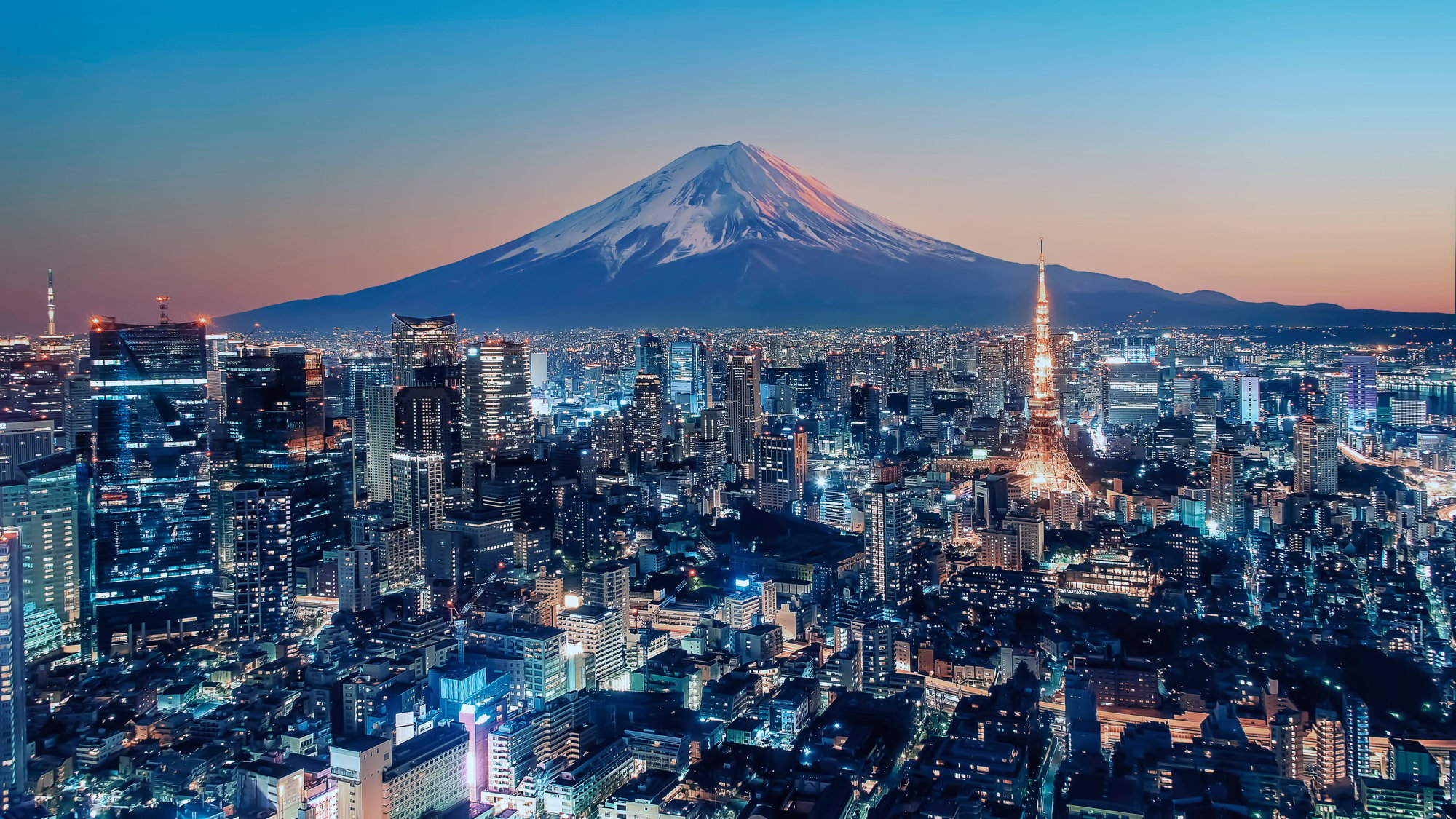
Tokyo City at Sunset

Start Your Journey to Tokyo

Journey highlight image

Best time to visit Tokyo

tokyo_inbound tourist

Tokyo is a year-round destination, with each season offering its own atmosphere, experiences, and reasons to visit. Whether you're planning around weather, festivals, or seasonal cuisine, there's no wrong time to explore Japan's capital. Most travelers favor spring and autumn for their mild weather and natural beauty, but summer and winter each have their own appeal for those looking to avoid the crowds.

  • Spring (Mar–May): Cherry blossom season transforms Tokyo's parks and riverbanks — peak bloom typically falls in late March to early April, though exact timing varies each year. Mild temperatures make it ideal for exploring the city on foot.
  • Autumn (Sep–Nov):  Enjoy comfortable temperatures and stunning fall foliage across the city's gardens and parks.
  • Summer (Jun–Aug): Dive into Tokyo's vibrant festival season, from neighborhood matsuri to spectacular fireworks displays over the Sumida River.
  • Winter (Dec–Feb): Clear skies and crisp air set the scene for Tokyo's dazzling holiday illuminations — the Marunouchi district near Tokyo Station and Tokyo Midtown in Roppongi put on particularly impressive displays — alongside seasonal foods and quieter temple visits.

Getting to Tokyo and Getting Around

Tokyo is served by two major international airports — Narita (NRT) and Haneda (HND) — both offering frequent direct flights from major U.S. cities.
 
From Narita (NRT): Located approximately 40 miles from central Tokyo, the Narita Express (N'EX) is the most convenient option, with direct service to major stations including Shinjuku, Shibuya, and Tokyo Station. Limousine bus service is also available to major hotels across the city. Taxis are an option but can cost $150 or more one way due to the distance.
 
From Haneda (HND): Much closer to the city at around 14 miles out, Haneda offers quick access via the Tokyo Monorail or Keikyu Line, putting you in central Tokyo in under 30 minutes. Taxis are more practical from Haneda given the shorter distance.
 
Getting around Tokyo
Once in the city, Tokyo's extensive train and metro network is the fastest and most efficient way to get around, with major lines like the JR Yamanote and Tokyo Metro connecting key neighborhoods and attractions. Buses and taxis are ideal for shorter trips or late-night travel. Many train lines now accept contactless credit card payments directly at the fare gate, and IC card apps such as Suica or PASMO are available to download on compatible smartphones for easy fare payments.
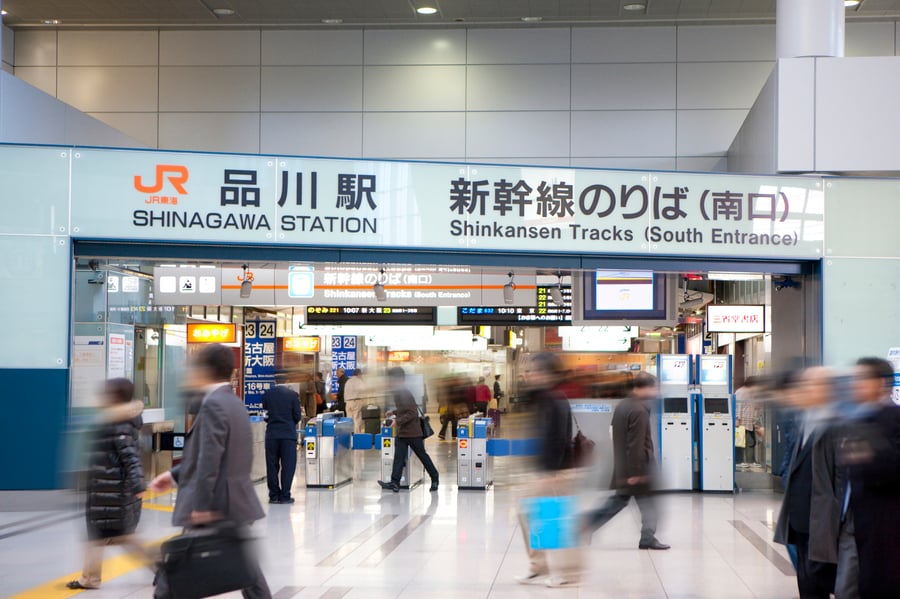
JR-Shinagawa-Station

Tokyo Destination Guide

Tokyo-Station-Urban-Landscape-July

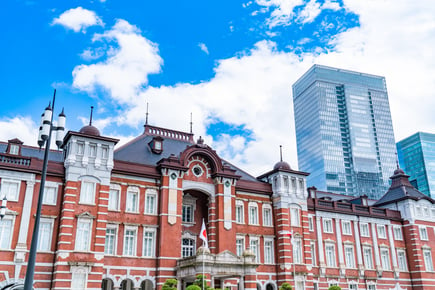
Tokyo Station

A stunning red-brick architectural landmark and major transportation hub featuring upscale shopping and dining in its historic halls.


Tokyo Japan Night

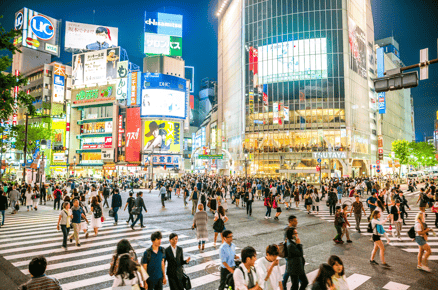
Shibuya

Home to the world's busiest pedestrian crossing and the iconic Hachiko statue, this district pulses with culture, shopping, and nightlife.


Tokyo Skytree

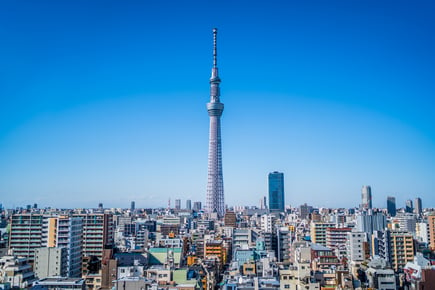
Tokyo Skytree

Japan's tallest structure and one of Tokyo's most iconic landmarks, offering breathtaking panoramic views of the city and beyond.


Top Tokyo neighborhoods and what to do

Tokyo neighborhoods

Shinjuku — One of Tokyo's most vibrant districts, known for its towering skyline and nonstop energy. A major transportation hub and shopping destination, with world-class department stores at Takashimaya Times Square, atmospheric alleyway dining at Omoide Yokocho, and a neon-lit entertainment scene that runs well into the night.

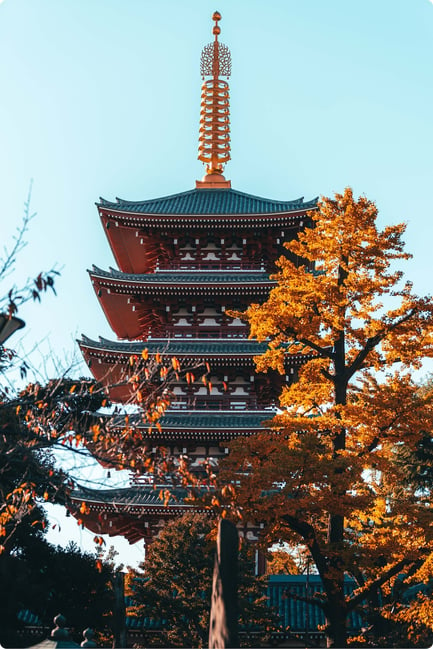
Asakusa — Captures the traditional side of the city, anchored by the historic Sensō-ji Temple and surrounding market streets. Rickshaw rides, souvenir shops, and classic Japanese eateries make this neighborhood ideal for cultural exploration.

Ginza — Tokyo’s upscale district for luxury shopping and refined dining. High-end boutiques, art galleries, Michelin-starred restaurants, and elegant cocktail lounges define this sophisticated area.

Akihabara — Tokyo’s hub for electronics, gaming, and anime culture. With massive tech stores, themed cafes, and pop-culture shops, it’s a must-visit for fans of modern Japanese entertainment.


Frequently Asked Questions

What are the best hotels in Tokyo?

Tokyo offers an exceptional range of accommodations to suit various budgets. For luxury travelers, boutique options include The Tokyo Station Hotel, The Capitol Hotel Tokyu, and Palace Hotel Tokyo. For mid-level options, Grand Nikko Tokyo Daiba, Courtyard by Marriott Tokyo Station, The Prince Sakura Tower Tokyo,and Hotel Metropolitan Tokyo all offer excellent quality and convenient locations. The Gate Hotel Asakusa Kaminarimon by Hulic offers stunning rooftop views of Tokyo Skytree and historic Asakusa area — all bookable as part of a Japan Airlines Vacations package.

How long is the flight to Tokyo?

Japan Airlines offers direct flights to Tokyo from major U.S. cities including Los Angeles, San Francisco, Seattle, San Diego, Dallas, and Honolulu. From the West Coast, expect direct flights of approximately 10-12 hours. From the East Coast (New York, Boston), flights typically take 13-14 hours direct. Tokyo is served by two major airports: Narita International Airport (NRT), located about 37 miles from the city center, and Haneda Airport (HND), which is closer to downtown Tokyo and often more convenient for travelers. Japan Airlines flights primarily arrive at Haneda, offering you easier access to the heart of Tokyo.

What are the top attractions in Tokyo?

Tokyo's must-see attractions blend ancient tradition with modern innovation. Visit Senso-ji Temple in Asakusa for Tokyo's oldest Buddhist sanctuary and vibrant Nakamise shopping street. Experience the peaceful Meiji Shrine surrounded by forest, then head to Tokyo Skytree or Tokyo Tower for panoramic city views. Don't miss the famous Shibuya Crossing, trendy Harajuku fashion district, and the Imperial Palace East Gardens. Explore Akihabara's anime culture, Tsukiji Outer Market's fresh seafood, and teamLab Borderless for immersive digital art experiences.

What day trips can I take from Tokyo?

Tokyo offers excellent day trip options to nearby destinations. Mount Fuji and the Fuji Five Lakes region (2-3 hours) provide iconic views and hot springs. Historic Kamakura (1 hour) features the Great Buddha and ancient temples. Nikko (2 hours) showcases UNESCO World Heritage shrines and mountain scenery. Hakone combines art museums, hot springs, and lake cruises, while Yokohama (30 minutes) offers Chinatown and waterfront attractions. Consider Kawagoe's preserved Edo-period streets or beach town Enoshima for easy half-day excursions.

What is the weather like in Tokyo?

Tokyo experiences four distinct seasons. Spring (March-May) brings mild 50-70°F temperatures and cherry blossoms in late March/early April. Summer (June-August) is hot and humid (85-95°F) with a June rainy season—pack light clothing and an umbrella. Autumn (September-November) offers comfortable 55-75°F weather and beautiful fall foliage. Winter (December-February) is cold but dry (35-50°F) with occasional sunny days—layers are essential. Check forecasts before traveling as conditions can vary.

Do I need a visa to visit Japan from the U.S. or Canada?

US and Canadian citizens do not need a visa for tourist stays of up to 90 days in Japan. You'll need a valid passport and a return or onward ticket. Japan's Visit Japan Web service allows you to pre-register for immigration and customs to speed up arrival processing. Always check the latest entry requirements before travel.